



Advanced Liver Cancer Treatment in Junagadh – Dr. Deepak Samane
Medically reviewed by Dr. Deepak Samane, M.Ch Surgical Oncology & Dr. Swapnil Vanparia, M.Ch Surgical Oncology, Shreenath Cancer Care, Junagadh – Reviewed on 21 Oct 2026
Introduction: Liver Cancer Treatment in Junagadh
Liver cancer treatment in Junagadh at Shreenath Cancer Care combines liver resection, ablation and transarterial therapy delivered by M.Ch surgical oncologists. When hepatocellular carcinoma is found early, surgery can cure it; even advanced disease can be controlled for years with the right sequence of treatments.
Liver cancer is quieter than most cancers. The liver has no pain fibres, so a tumour can grow for months behind mild fatigue, loss of appetite or a dull upper-abdominal ache. In Gujarat, chronic hepatitis B, untreated hepatitis C, fatty liver disease and alcohol-related cirrhosis are the commonest roads to hepatocellular carcinoma. This guide explains symptoms, staging, liver tumour surgery, liver resection, recovery and follow-up. See also our HPB cancer treatment in Junagadh and HPB services.
Symptoms and Diagnosis – Why Liver Cancer Is Caught Late
Persistent upper-abdominal pain, unexplained weight loss, loss of appetite, nausea, jaundice, abdominal swelling and easy fatigue need urgent evaluation – not months of acidity tablets. Anyone with cirrhosis or hepatitis B/C should be screened with ultrasound and AFP every six months even without symptoms.
At Shreenath Cancer Care, diagnosis follows a structured pathway: clinical examination, liver function tests, alpha-fetoprotein (AFP), triple-phase contrast CT or MRI of the abdomen, and chest imaging for staging. A biopsy is reserved for uncertain cases because needle biopsy of an operable liver tumour can cause bleeding or tumour seeding. The Barcelona Clinic Liver Cancer (BCLC) stage, tumour size and number, liver reserve (Child-Pugh score) and performance status together decide whether surgery, ablation, embolisation or systemic therapy is best.
Do not accept a diagnosis without staging. A single small tumour in a healthy liver behaves very differently from multiple tumours in a cirrhotic liver, and the treatment plan must match the biology, not just the scan report.
Liver Cancer Treatment Options in Junagadh
The main curative option is surgical removal of the tumour with a clear margin; radiofrequency or microwave ablation can cure small tumours under 3 cm when surgery is not safe. For tumours that cannot be removed, TACE, targeted therapy and immunotherapy can shrink or control disease and are planned by a multidisciplinary team.
Treatment at Shreenath Cancer Care is individualised:
- Liver resection (hepatectomy) – anatomical or non-anatomical removal of the affected liver segment. The remaining liver regenerates, and modern planning uses CT volumetry to confirm an adequate future liver remnant.
- Ablation therapy – radiofrequency or microwave ablation destroys small tumours with heat through a needle, usually with a short hospital stay. Best for tumours under 3 cm away from major vessels.
- TACE (transarterial chemoembolisation) – chemotherapy delivered directly into the tumour’s blood supply, useful for intermediate-stage disease.
- Systemic therapy – targeted drugs and immunotherapy for advanced or metastatic hepatocellular carcinoma, with close monitoring of liver function.
- Transplant referral – selected early tumours in cirrhosis may be best served by liver transplantation; we assess and refer promptly.
- Palliative and supportive care – pain control, nutrition, ascites management and jaundice relief to protect quality of life.
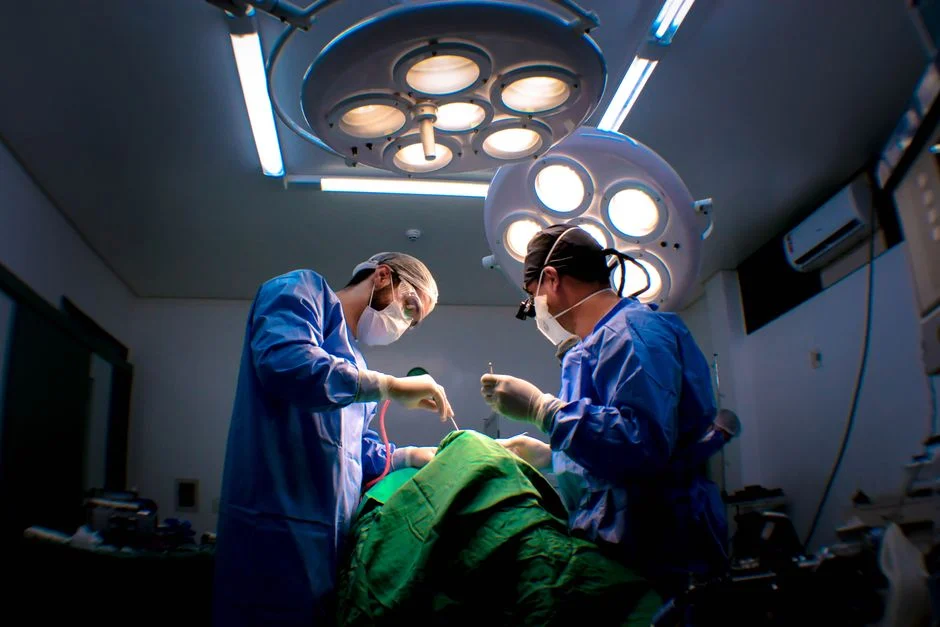
Liver Resection Surgery – What to Expect
Liver resection usually takes 3–6 hours under general anaesthesia, with a hospital stay of about 5–8 days and full recovery over 4–6 weeks. The operation removes the tumour-bearing part of the liver while preserving enough healthy liver to function; most patients resume normal activity within six weeks.
Before surgery we assess liver function, kidney function, nutrition, diabetes control and cardiorespiratory fitness. Patients with jaundice, active infection or poor liver reserve may need treatment first, or a less invasive option. Smoking and alcohol must stop before surgery, and blood thinners are adjusted by the team.
After surgery, patients are monitored in a high-dependency unit, then mobilised early to reduce chest and clot complications. Pain is controlled with a planned protocol, and nutrition starts early. Temporary drainage tubes are removed as output settles. Warning signs to report immediately include fever, worsening jaundice, breathing difficulty, black stools or confusion.
Long-term follow-up includes AFP and imaging every three to six months, hepatitis B antiviral therapy where indicated, alcohol avoidance and treatment of fatty liver. Our team also supports cancer screening in Junagadh for family members at risk and coordinates rehabilitation after discharge.
FAQs about Liver Cancer Treatment in Junagadh
Is liver cancer curable?
Yes, when found early and completely removed. Small tumours treated with surgery or ablation can be cured in a majority of well-selected patients. Advanced disease is not usually curable but can be controlled for months to years with TACE, targeted therapy and immunotherapy.
What are the early signs of liver cancer?
Early liver cancer often has no specific signs. Watch for unexplained weight loss, appetite loss, fatigue, upper-right abdominal discomfort, nausea and new jaundice – especially if you have hepatitis B, hepatitis C, fatty liver or cirrhosis. Screening ultrasound plus AFP every six months is the reliable way to catch it early.
How much liver can be removed safely?
Usually up to 60–70% of a healthy liver can be removed, provided the future remnant is adequate and liver function is good. In cirrhosis, far less can be removed safely, so ablation or transplant assessment may be preferred. CT volumetry and liver function tests guide the decision.
Is liver surgery painful and how long is recovery?
Pain is well controlled with modern analgesia and usually settles within a week. Most patients walk on day one or two, leave hospital in about a week, and return to light work in 3–4 weeks. Strenuous activity and heavy lifting are avoided for about six weeks.
Can liver metastases from colon cancer be removed?
Yes, in selected patients. Liver resection for limited colorectal metastases can offer long-term survival and sometimes cure when combined with chemotherapy. Evaluation includes PET-CT and a multidisciplinary review – see our colorectal cancer treatment in Junagadh.
Do I need hepatitis B treatment after liver cancer surgery?
If you carry hepatitis B, antiviral therapy is usually continued lifelong to suppress the virus and protect the remaining liver. Your oncologist and hepatologist coordinate this, along with six-monthly surveillance imaging.
Conclusion: Act Early on Liver Cancer in Junagadh
Liver cancer treatment in Junagadh is most effective when a liver tumour is detected while it can still be removed or ablated. Shreenath Cancer Care brings M.Ch surgical oncology, modern imaging, ablation and coordinated systemic therapy to Saurashtra, so families do not have to travel to metro hospitals for advanced liver care.
If you or a family member has hepatitis B/C, cirrhosis, fatty liver or unexplained upper-abdominal symptoms, book a liver evaluation this week.
