


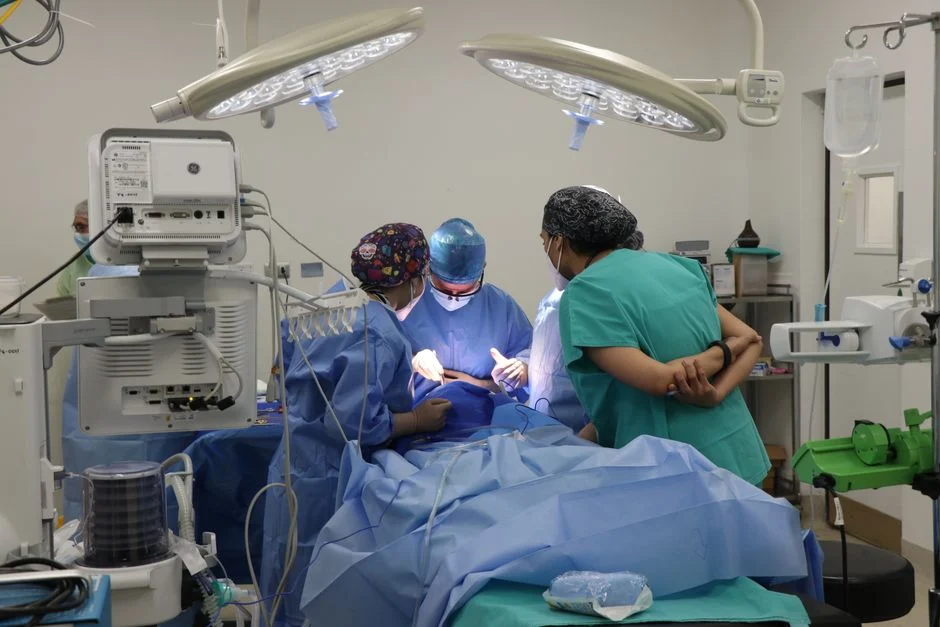
Best Pancreatic Cancer Surgery in Junagadh – Dr. Deepak Samane
Medically reviewed by Dr. Deepak Samane, M.Ch Surgical Oncology & Dr. Swapnil Vanparia, M.Ch Surgical Oncology, Shreenath Cancer Care, Junagadh – Reviewed on 21 Oct 2026
Introduction: Pancreatic Cancer Surgery in Junagadh
Pancreatic cancer surgery in Junagadh at Shreenath Cancer Care includes the Whipple procedure, distal pancreatectomy and palliative bypass, performed by M.Ch surgical oncologists. Complete removal gives the best chance of long-term survival, and complex pancreatic operations are now available locally instead of only in metro hospitals.
Pancreatic cancer is difficult because it produces few symptoms until it blocks the bile duct or spreads. Painless jaundice, weight loss and new diabetes are often the first clues. Outcomes depend heavily on whether the tumour can be removed cleanly and whether surgery is done by an experienced high-volume team. This guide explains warning signs, staging, Whipple surgery, distal pancreatectomy, recovery and follow-up. See also our HPB cancer treatment in Junagadh and HPB services.
Warning Signs and Diagnosis
Painless yellowing of the eyes, dark urine, pale stools, unexplained weight loss, upper-abdominal or back pain, nausea and new-onset diabetes after 50 need urgent imaging – not a wait-and-watch approach. Early pancreatic cancer has the best chance of surgery, so time matters.
Diagnosis at Shreenath Cancer Care includes contrast CT of the abdomen with a pancreatic protocol, MRI/MRCP for bile-duct assessment, CA 19-9, and endoscopic ultrasound with fine-needle aspiration when a tissue diagnosis is needed before chemotherapy. PET-CT is used selectively to rule out distant spread.
Staging separates resectable, borderline resectable and locally advanced or metastatic disease. Only about one in five patients is resectable at diagnosis, which is why we assess every scan carefully and involve medical oncology, radiology and gastroenterology in a joint decision. Jaundice is often relieved first with ERCP stenting or percutaneous drainage so that surgery or chemotherapy can proceed safely.
Pancreatic Cancer Surgery Options – Whipple and Beyond
The Whipple procedure (pancreaticoduodenectomy) removes the head of the pancreas, duodenum, gallbladder, lower bile duct and nearby lymph nodes, followed by reconstruction; it is the standard operation for tumours in the pancreatic head. Tumours in the body or tail need a distal pancreatectomy, often with splenectomy.
Operations offered at Shreenath Cancer Care:
- Whipple procedure (pancreaticoduodenectomy) – for head, ampullary, distal bile duct and duodenal cancers. Involves three reconstructions: pancreaticojejunostomy, hepaticojejunostomy and gastrojejunostomy.
- Distal pancreatectomy with splenectomy – for body and tail tumours, sometimes performed laparoscopically in suitable patients.
- Total pancreatectomy – for selected multifocal or extensive disease, with lifelong enzyme and insulin support.
- Palliative bypass (hepaticojejunostomy and gastrojejunostomy) – relieves jaundice and gastric outlet obstruction when the tumour cannot be removed.
- Neoadjuvant chemotherapy – given before surgery for borderline resectable disease to shrink the tumour and improve the chance of a clear margin.
- Adjuvant chemotherapy – offered after surgery to reduce recurrence risk.
Every case is discussed in a multidisciplinary meeting. Surgery is recommended only when a complete (R0) removal is realistic and the patient is fit enough; otherwise chemotherapy, radiotherapy or palliative care is planned to protect quality of life.

Recovery After Pancreatic Surgery
Hospital stay after a Whipple is usually 7–12 days, with full recovery over 6–8 weeks; a structured enhanced-recovery pathway reduces complications and shortens stay. The most common concerns are delayed gastric emptying, pancreatic fistula, infection and blood-sugar changes, all managed by a dedicated team.
Preparation before surgery includes nutritional optimisation, diabetes control, stopping smoking, breathing exercises and vaccination. Patients with jaundice may need biliary drainage first. Blood thinners and other medicines are adjusted by the treating team.
After surgery, patients start with ice chips and clear fluids, then advance gradually. Drains are removed when output is low. Physiotherapy and early walking protect the lungs and prevent clots. Pancreatic enzyme supplements help digestion if the pancreas produces less enzyme, and insulin may be needed temporarily or permanently. A dietitian plans small, frequent, low-fat meals with adequate protein.
Follow-up includes clinical review, CA 19-9 and CT scans every three to six months, plus nutrition and diabetes support. Adjuvant chemotherapy usually starts within 8–12 weeks of surgery. Survivorship care focuses on weight, digestion, pain and emotional wellbeing; our team coordinates cancer screening in Junagadh for at-risk family members and refers to genetic counselling where a hereditary syndrome is suspected.
FAQs about Pancreatic Cancer Surgery in Junagadh
What is the Whipple procedure?
The Whipple procedure is a major operation that removes the head of the pancreas, first part of the small intestine, gallbladder, lower bile duct and surrounding lymph nodes. The digestive tract is then rebuilt. It is the standard curative operation for cancers in the head of the pancreas and nearby structures.
Is pancreatic cancer surgery available in Junagadh?
Yes. Shreenath Cancer Care performs the Whipple procedure, distal pancreatectomy and palliative bypass in Junagadh with M.Ch surgical oncologists, modern operating theatres and high-dependency post-operative care.
How do I know if my pancreatic tumour is operable?
Operability depends on whether the tumour is clear of major blood vessels and whether it has spread. A pancreatic-protocol CT, sometimes with EUS and PET-CT, is reviewed by the multidisciplinary team. About 20% of patients are resectable at diagnosis; borderline cases may become operable after chemotherapy.
How long does Whipple surgery take and how long is recovery?
The operation usually takes 5–7 hours. Hospital stay is typically 7–12 days, and full recovery takes 6–8 weeks. Most patients return to light activity within 3–4 weeks and to normal routine work in about two months, depending on complications and fitness.
Will I develop diabetes after pancreatic surgery?
Some patients do, especially after distal or total pancreatectomy, because part of the insulin-producing tissue is removed. Blood sugar is monitored closely and managed with insulin or tablets. A Whipple alone does not always cause diabetes, but regular monitoring is essential.
Can pancreatic cancer be treated without surgery?
Yes. When the tumour is locally advanced or has spread, chemotherapy, targeted therapy and palliative care are used. Jaundice and blockage are relieved with stents or bypass surgery. Treatment aims to control the disease, reduce symptoms and maintain quality of life.
Conclusion: Timely Surgery Gives the Best Chance in Junagadh
Pancreatic cancer surgery in Junagadh offers the best chance of long-term control when the tumour is removed completely by an experienced team. Shreenath Cancer Care provides Whipple surgery, distal pancreatectomy, neoadjuvant chemotherapy planning and dedicated recovery care close to home, so families in Saurashtra can access advanced treatment without travelling to a metro.
New jaundice, unexplained weight loss or persistent upper-abdominal pain should never be ignored. Get evaluated early.
